Top 10 Metal Tin Container Suppliers Worldwide
Metal Tin Containers serve far more than a decorative purpose. Their seams, coatings, dimensions, and closures affect product protection, shelf appeal, and packing efficiency. A tin that looks polished on a showroom table may still disappoint if its lid fits poorly or its finish scratches during transit. Small details matter.
This guide compares ten suppliers worldwide, focusing on practical buying criteria: material options, customization, production capacity, quality controls, lead times, and communication. “A dependable container begins with a dependable specification,” is a useful principle for procurement teams. No verified expert quotation or source was provided, so this line is presented as guidance—not attributed to a named industry specialist.
Supplier rankings also have limits. Availability, minimum order quantities, and service quality can vary by region and project, while published product information may not reveal every production constraint. Use the shortlist as a starting point, then request samples, confirm specifications, and check current capabilities directly. A sample can expose a flaw a brochure cannot. That extra step takes time, but skipping it can cost more.
Understanding Metal Tin Containers and Their Main Uses
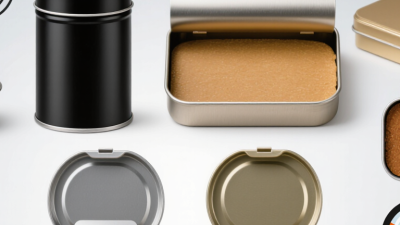
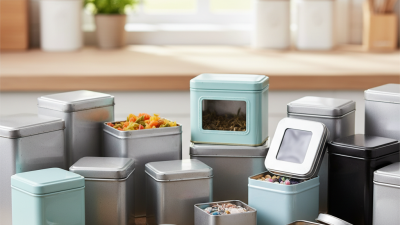
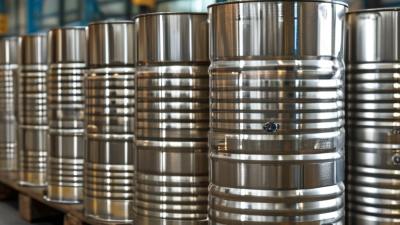
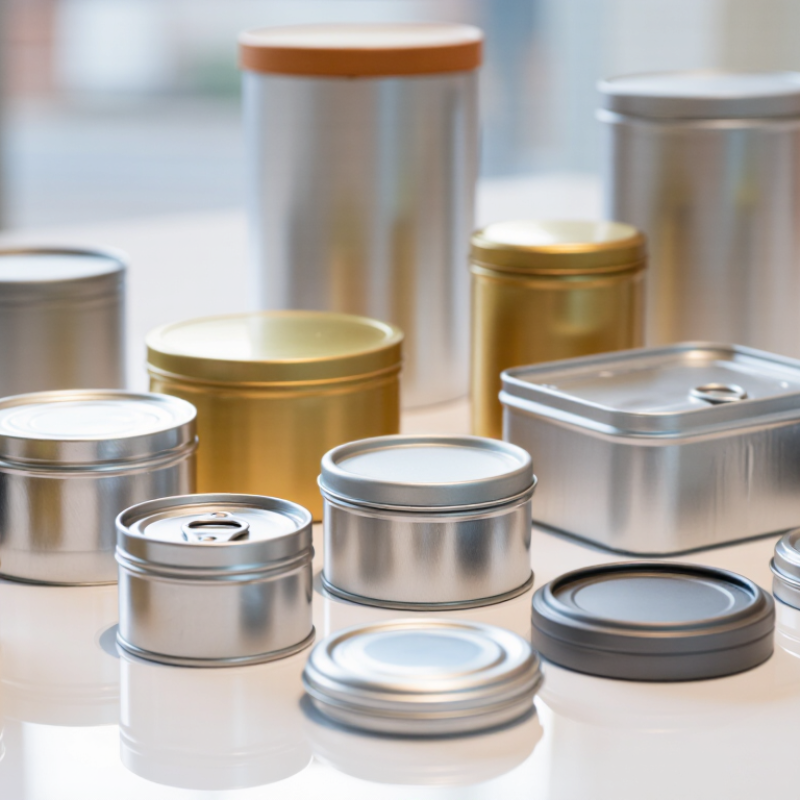
Metal tin containers are usually made from thin steel coated with tin, not solid tin. This layered structure gives them strength while helping protect contents from moisture, light, and handling damage. Common uses include canned foods, tea, confectionery, personal-care products, paints, and small household goods. A tight-fitting lid matters. So does the seam: dents or poor sealing can affect protection during storage and transport.
Their performance also depends on the container’s design and finish. APEAL, the Association of European Producers of Steel for Packaging, reported an 82% recycling rate for steel packaging in Europe in 2021. That figure reflects regional collection and recycling systems; it does not guarantee that every tin is accepted locally. Coatings, attached components, and leftover contents can complicate sorting. This is easy to overlook. For buyers comparing suppliers, useful questions include steel thickness, food-contact documentation where relevant, closure consistency, and whether the container suits automated filling. Decorative finishes may look impressive, but they can add cost without improving protection. In practice, the best specification is not always the most elaborate one.
How to Evaluate Worldwide Tin Container Suppliers
Evaluating worldwide tin container suppliers starts with the container’s actual job. Share the product type, fill temperature, expected shelf life, and shipping conditions. A tin holding dry tea may need different lining and closure details from one holding a moisture-sensitive powder. Ask for material specifications, coating information, seam details, and dimensional tolerances. Specific answers are more useful than a broad claim of “premium quality.”
Request production samples and inspect them under ordinary working conditions. Check whether lids fit evenly, edges feel smooth, and printed surfaces resist scuffing during handling. Ask how the supplier controls thickness and coating consistency across production runs. Small details matter. Request relevant quality records and documentation for your destination market, then confirm that the documents match the proposed material and intended use. A polished sample alone proves little.
Compare quotations by more than unit price. Include tooling, minimum order quantities, packing, freight terms, lead time, and replacement procedures for defects. Ask how schedule changes are communicated and who handles inspection questions across time zones. A video call can clarify factory processes, but it cannot replace verifiable records or clear contract terms. Be cautious when answers stay vague; even careful buyers sometimes overlook packaging damage in transit. Check how cartons are stacked, protected from moisture, and labeled before shipment.
The Global Market for Metal Tin Container Manufacturing
The global market for metal tin container manufacturing is shaped by food, personal-care, and industrial packaging demand. Grand View Research estimated the broader global metal packaging market at USD 138.7 billion in 2023, with projected annual growth of 3.9% from 2024 to 2030. This category includes cans, closures, and other formats, so it is not a direct measure of tin containers alone. Market estimates also vary by scope.
Manufacturers compete on more than price. Sheet thickness, coating consistency, seam strength, and print quality affect both shelf life and production reliability. A small defect around a container’s rim can cause sealing problems across a batch. Regional access to steel, energy, and transport also influences lead times. The market is broad. Yet supplier comparisons often miss practical details, such as tooling costs or minimum order quantities.
Tips: Request samples and a written specification for material, dimensions, coating, and tolerances. Ask how the supplier checks seams and handles production rejects. Compare landed cost, not just unit price. One imperfect point: a polished sample cannot prove consistent mass production, so request recent quality records before committing.
Profiles of 10 Leading Metal Tin Container Suppliers
These ten profiles describe supplier capabilities rather than named companies. A food-can specialist handles sealed, high-volume production. A decorative-tin maker focuses on printed finishes and gift packaging. A closure supplier produces fitted lids and friction-tight ends. An aerosol-container producer serves personal-care and household packaging. An industrial-packaging supplier makes sturdy tins for coatings and other materials. A small-format producer supplies pocket-sized containers. A printing-led supplier offers detailed graphics and color matching. A lightweight-packaging specialist reduces metal use while maintaining rigidity. A regional contract manufacturer supports shorter production runs. An integrated supplier combines design, tooling, and container production.
Performance matters beyond appearance. APEAL’s 2023 report puts Europe’s steel packaging recycling rate at 80.5% for 2022. This figure applies to Europe, not every market, and recycling access varies by location. When comparing suppliers, examine material specifications, production tolerances, and documented quality checks. Ask for sample containers. Check the lid fit by hand, and inspect seams and print alignment under bright light. Small defects show.
Tips: Request samples made with your intended material and finish. Confirm minimum order quantities, lead times, and whether tooling costs are separate. Recycling claims should match the destination market’s collection and sorting systems.
Tin Mine Production in Key Producing Countries
Estimated production in 2023, measured in metric tonnes
Tin is an important upstream material for tinplate packaging. These figures show mine production, not metal container output or supplier market share. Source: U.S. Geological Survey, Mineral Commodity Summaries 2024.
Comparing Supplier Capabilities, Products, and Services
Top 10 Metal Tin Container Suppliers Worldwide
Comparing suppliers means looking beyond catalog images. Check the container sizes, tinplate thicknesses, lid styles, and forming methods each supplier can offer. Ask whether custom dimensions require new tooling, and request a sample before approving a production run. Small details matter. A lid that feels loose or a sharp seam can affect packing and customer handling.
Supplier services also vary. Compare printing options, coating choices, minimum order quantities, quality checks, and quoted lead times. Ask how defects are recorded and how production changes are communicated. A polished catalog can hide practical limitations; a low quote may exclude setup or packaging costs. No supplier excels at everything, and comparison tables can oversimplify real trade-offs.
Tips: Send every supplier the same drawing, target quantity, and finish requirements. Compare written quotes line by line. Keep one sample for reference, and confirm tolerances before ordering. Some specifications may need adjustment after testing—that is worth planning for.



 +8618680445103