


 +8618680445103



Products News
The Light-Proof Revolution: Why Aluminum Packaging Is the Freshness Standard for Supplements
2026-07-17
The global dietary supplement market crossed 520 billion by 2033 (Grand View Research). Within this growth, a quiet but decisive shift is underway: the clean-label movement is no longer just about what's inside the jar — it's about the jar itself.
Consider three of the fastest-growing supplement categories: matcha and superfood powders, protein and collagen, and probiotics. They share little in common nutritionally, but they share one vulnerability: their active ingredients are exquisitely sensitive to light, oxygen, and moisture. A transparent plastic tub on a sunlit retail shelf is not a container — it's a countdown clock to degradation.
Aluminum stops the clock.
Three Categories, One Enemy: Environmental Degradation
Matcha & Superfood Powders: The Chlorophyll Crisis
Matcha's emerald green is not just a color — it's a quality certificate. That vibrant hue comes from chlorophyll, a molecule so light-sensitive that exposure to fluorescent retail lighting can cause visible color fading within 72 hours. What starts as ceremonial-grade vivid green becomes a dull, yellowish powder that signals oxidized catechins and diminished antioxidant capacity.
The same applies to spirulina, wheatgrass, barley grass, acai, and moringa — the entire superfood powder category relies on photolabile compounds that degrade exponentially under UV and visible light.
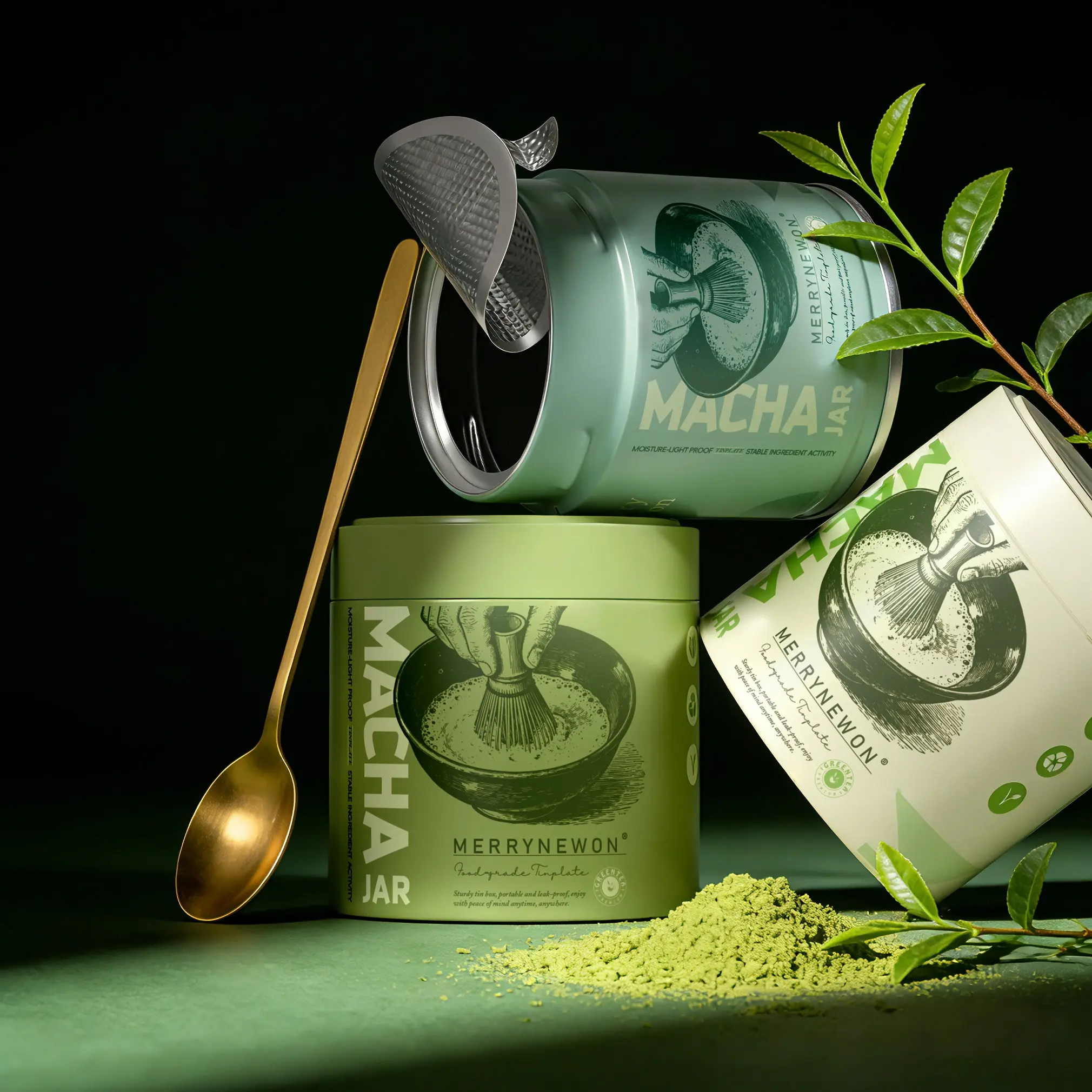
Aluminum's answer is absolute: 100% opacity across the entire electromagnetic spectrum. Unlike amber glass — which attenuates but does not block UV — aluminum is a photon-proof vault. Every milligram of chlorophyll, every catechin molecule, every delicate volatile aroma compound stays intact from factory seal to final scoop.
Protein & Collagen Powders: The Moisture Siege
Protein powders and collagen peptides are hygroscopic by nature. Leave a plastic tub open for thirty seconds in a humid bathroom or kitchen, and moisture invades. The result: clumping, microbial risk, and compromised mixability that turns a premium product into a disappointing consumer experience.
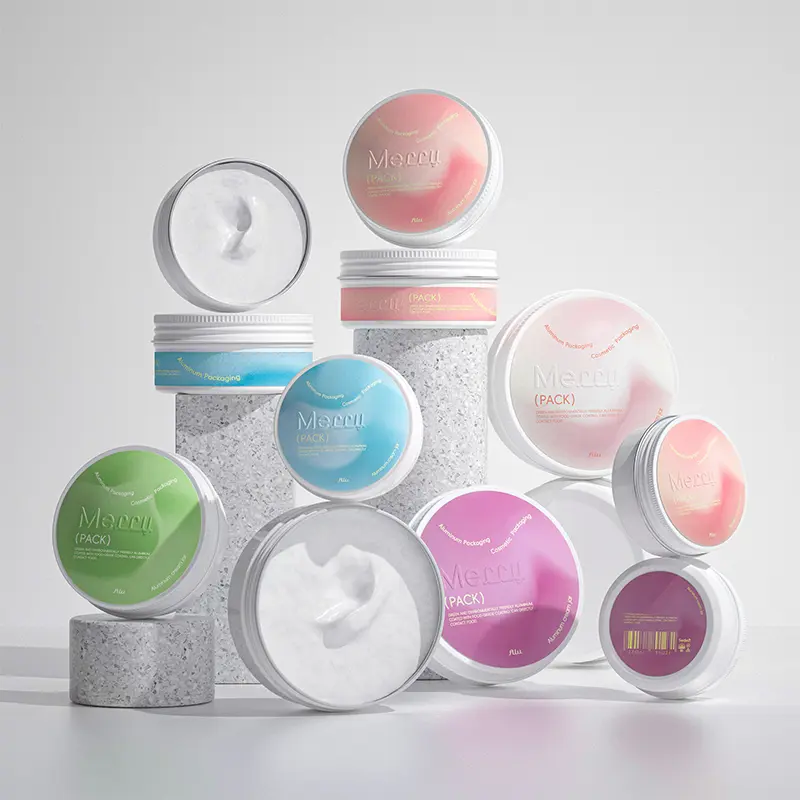
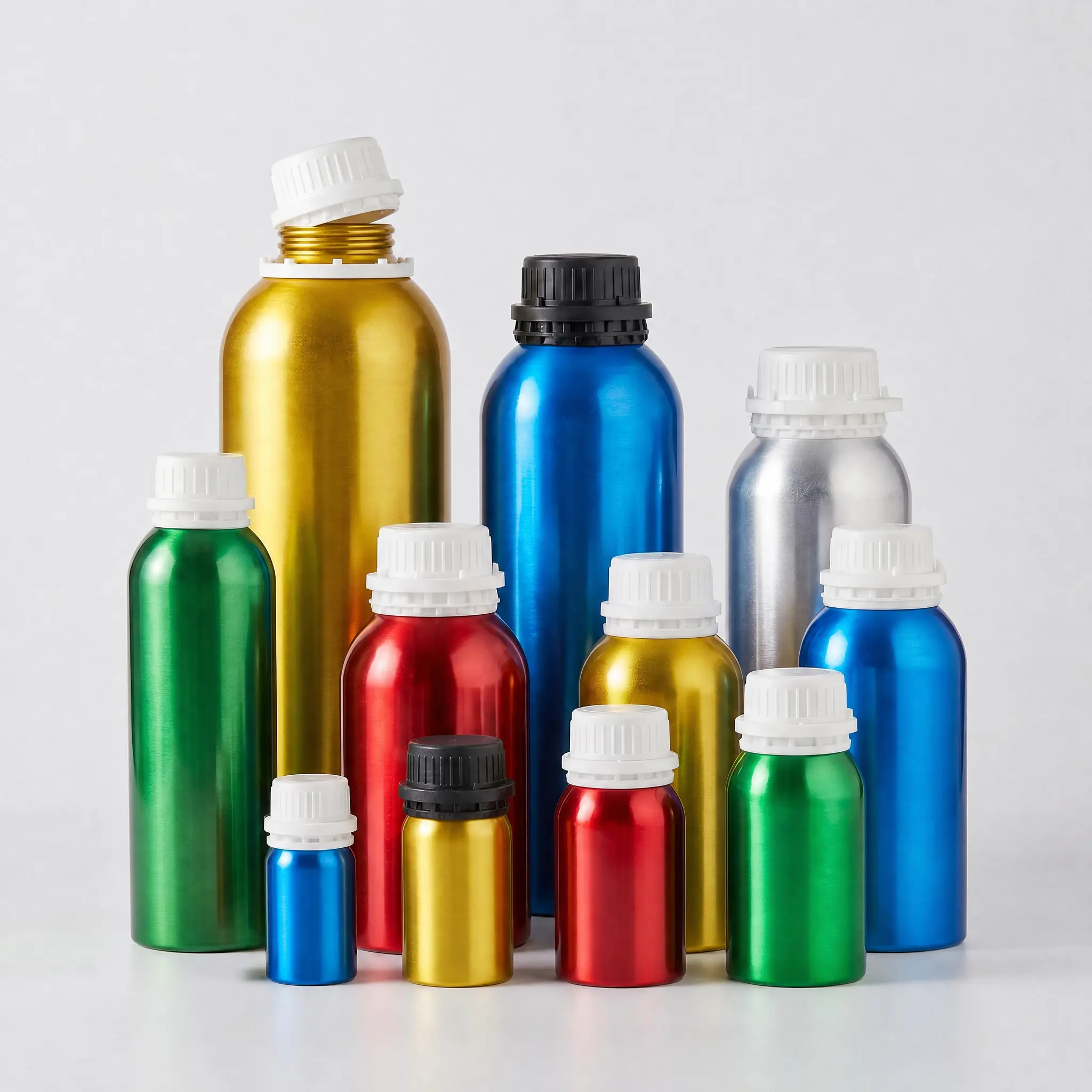
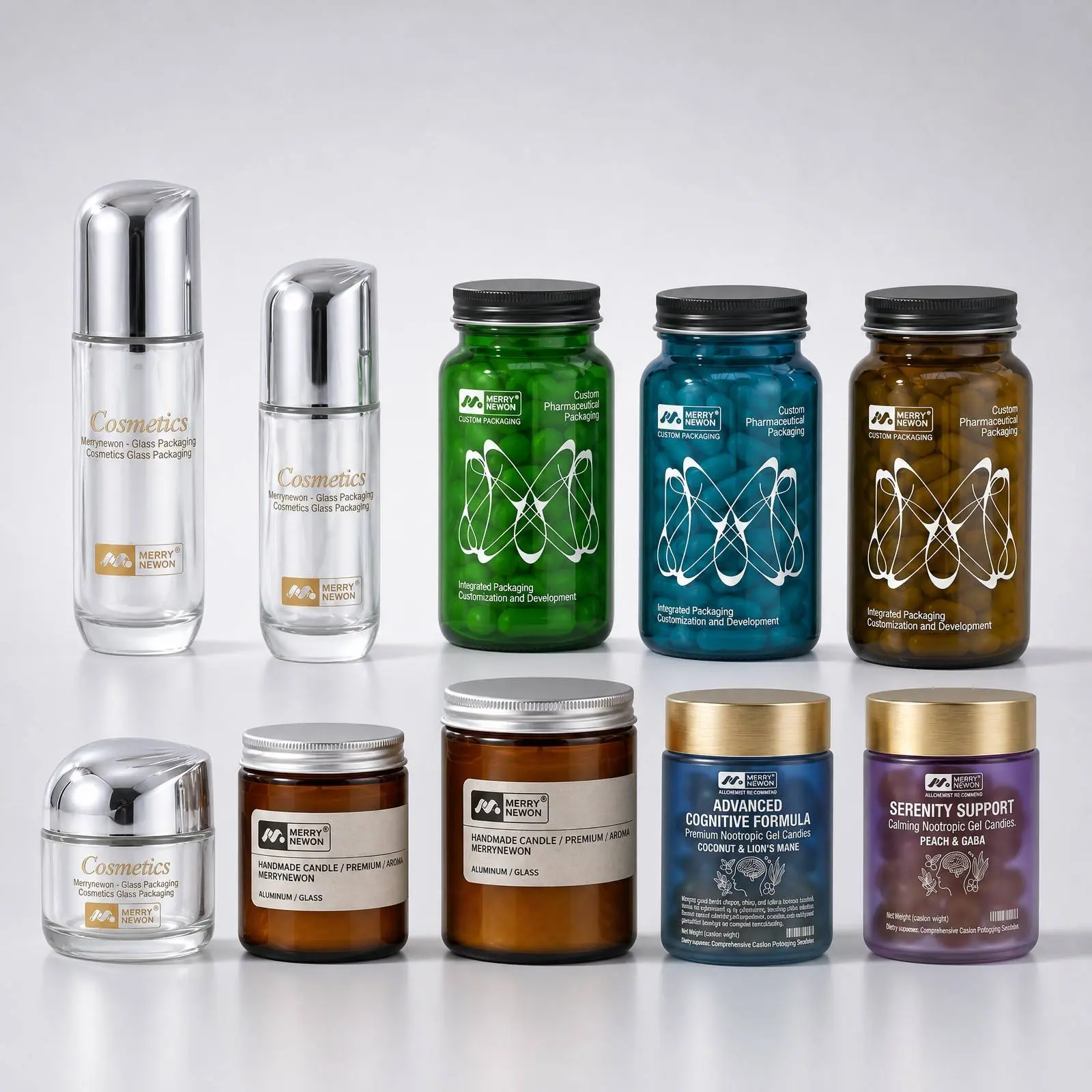
Aluminum Jars — available from 80g to 500g — create a hermetic moisture barrier that no HDPE tub or PET jar can match. The proprietary Hidden Thread double-layer cap eliminates the visible screw-thread gap found in standard containers, producing a seamless seal that locks humidity out and freshness in.
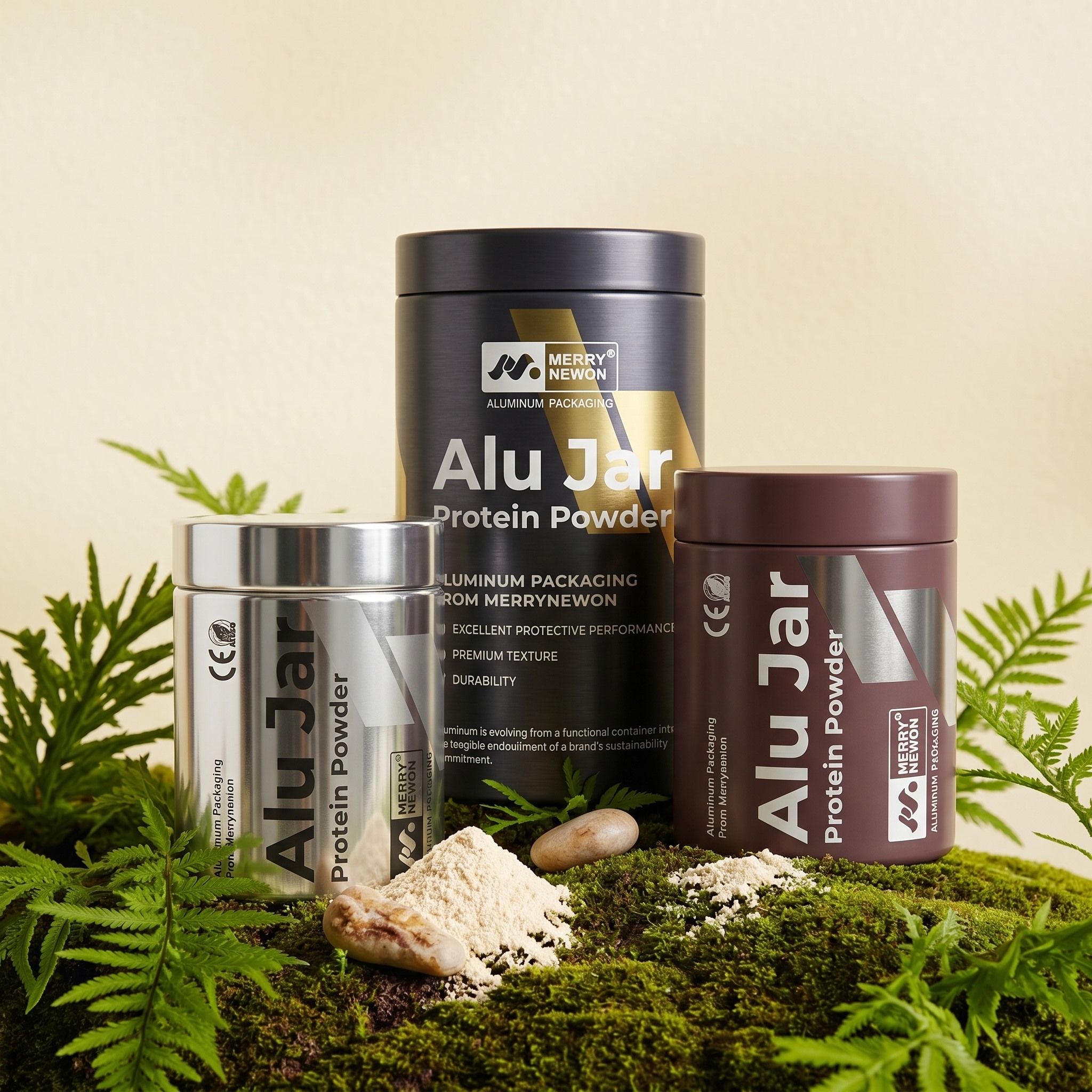
For brands, this means:
- Extended shelf life without desiccant over-engineering
- Zero clumping complaints — the #1 consumer frustration with powder supplements
- Stackable, premium geometry that photographs dramatically on social feeds and e-commerce product pages
Probiotics: The Live-Culture Challenge
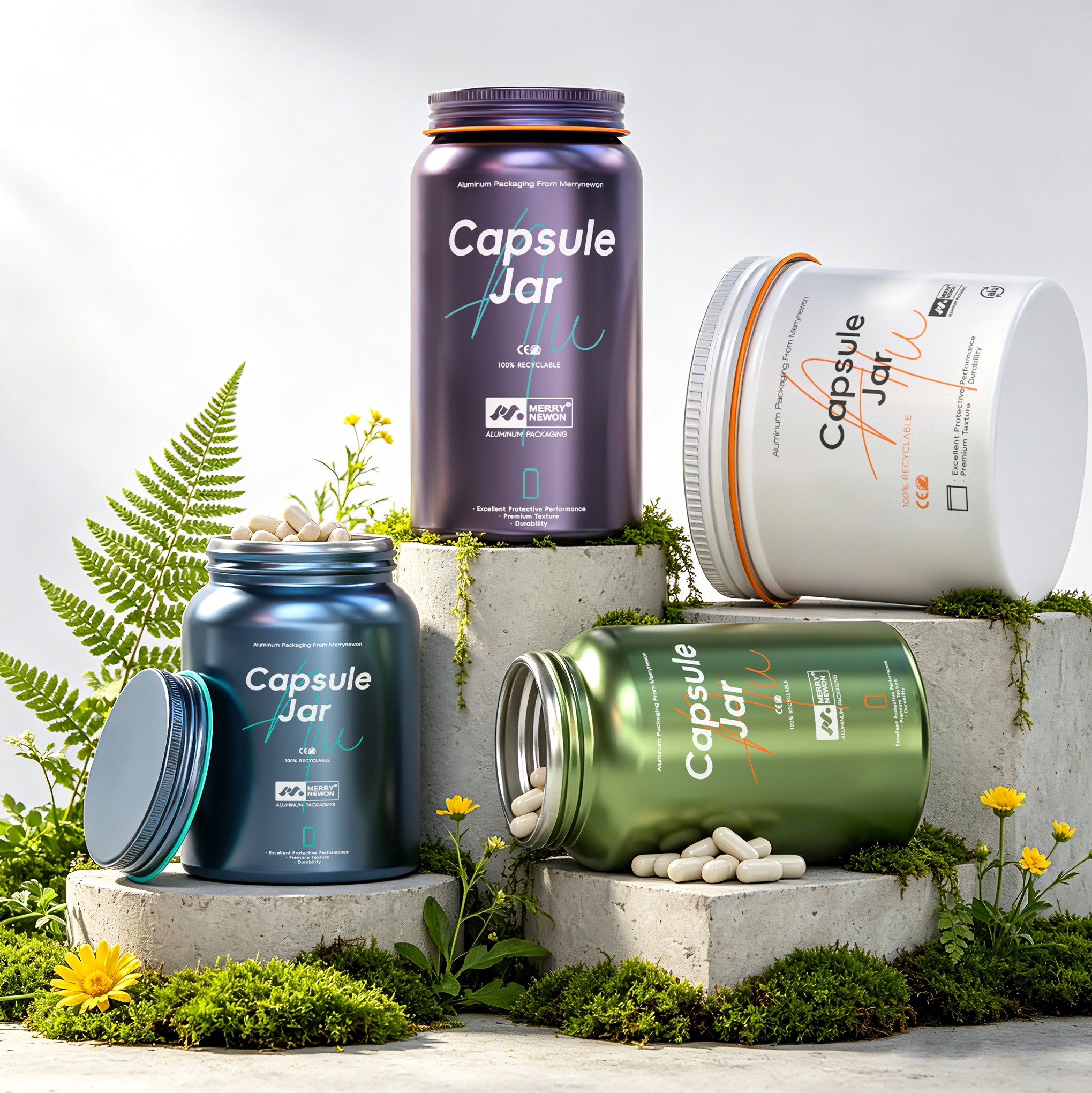
Probiotics are not just ingredients — they are living organisms. Lactobacillus, Bifidobacterium, and spore-forming strains arrive at the consumer's door with a finite colony-forming unit (CFU) count. Every variable that reduces viability — heat, humidity, oxygen ingress — directly undermines the product's core promise.
A 2025 study in the International Journal of Probiotics and Prebiotics found that probiotic strains in moisture-permeable packaging lost up to 42% of labeled CFU count after 12 months of ambient storage, compared to just 6% loss in hermetically sealed aluminum containers.
This is not a marginal difference — it is the difference between delivering what the label promises and delivering a placebo.
The Science: What "Light-Proof" Actually Means
Supplement degradation follows predictable chemical pathways:
- Photodegradation: UV and visible light photons excite electrons in sensitive molecules (chlorophyll, catechins, carotenoids, riboflavin), triggering bond-breaking reactions. A transparent PET jar allows 85-95% of UV-A and UV-B to reach the contents.
- Oxidation: Oxygen molecules react with unsaturated fatty acids, polyphenols, and vitamins — rancidifying oils, dulling colors, and neutralizing antioxidant claims.
- Hydrolysis: Ambient moisture cleaves chemical bonds in proteins, peptides, and ester-based compounds, reducing bioavailability.
Aluminum's defense is physics, not chemistry: electromagnetic radiation and gas molecules cannot pass through solid metal. No coatings, no additives, no asterisks — just a fundamental material property that transparent packaging can never replicate.
The Technical Edge: Beyond the Barrier
FDA-Compliant Interior Coating
Every aluminum container in our supplement line features a food-grade epoxy/phenolic internal lacquer conforming to FDA 21 CFR 175.300. This inert barrier prevents any interaction between the aluminum substrate and the contents — essential for:
- Acidic formulations (vitamin C powders, berry extracts, fermented greens)
- Oil-containing blends (MCT oil powders, fat-soluble vitamin complexes)
- Hygroscopic ingredients that would corrode uncoated metal over time
The result: zero off-taste, zero off-odor, zero color shift — even after 24-month accelerated shelf testing.
Hidden Thread Technology
The signature double-layer cap design conceals all threading inside the lid. For supplement brands, this is more than aesthetics — it's a hygiene and branding advantage:
- No thread-gap residue: Powders cannot accumulate in crevices where bacteria and mold could colonize
- Full-wrap branding canvas: An uninterrupted surface for vibrant color printing, gradient designs, and on-shelf storytelling
- Distinctive "click-to-close" feedback: Premium tactile experience that signals quality from first touch
Odor Containment
Strong-smelling supplements — spirulina, garlic extract, valerian root, fish oil powders — create a packaging challenge few brands anticipate until the first customer complaint. Aluminum's zero-permeability structure ensures complete odor containment, a critical differentiator for products stored in pantries, gym bags, and office drawers.
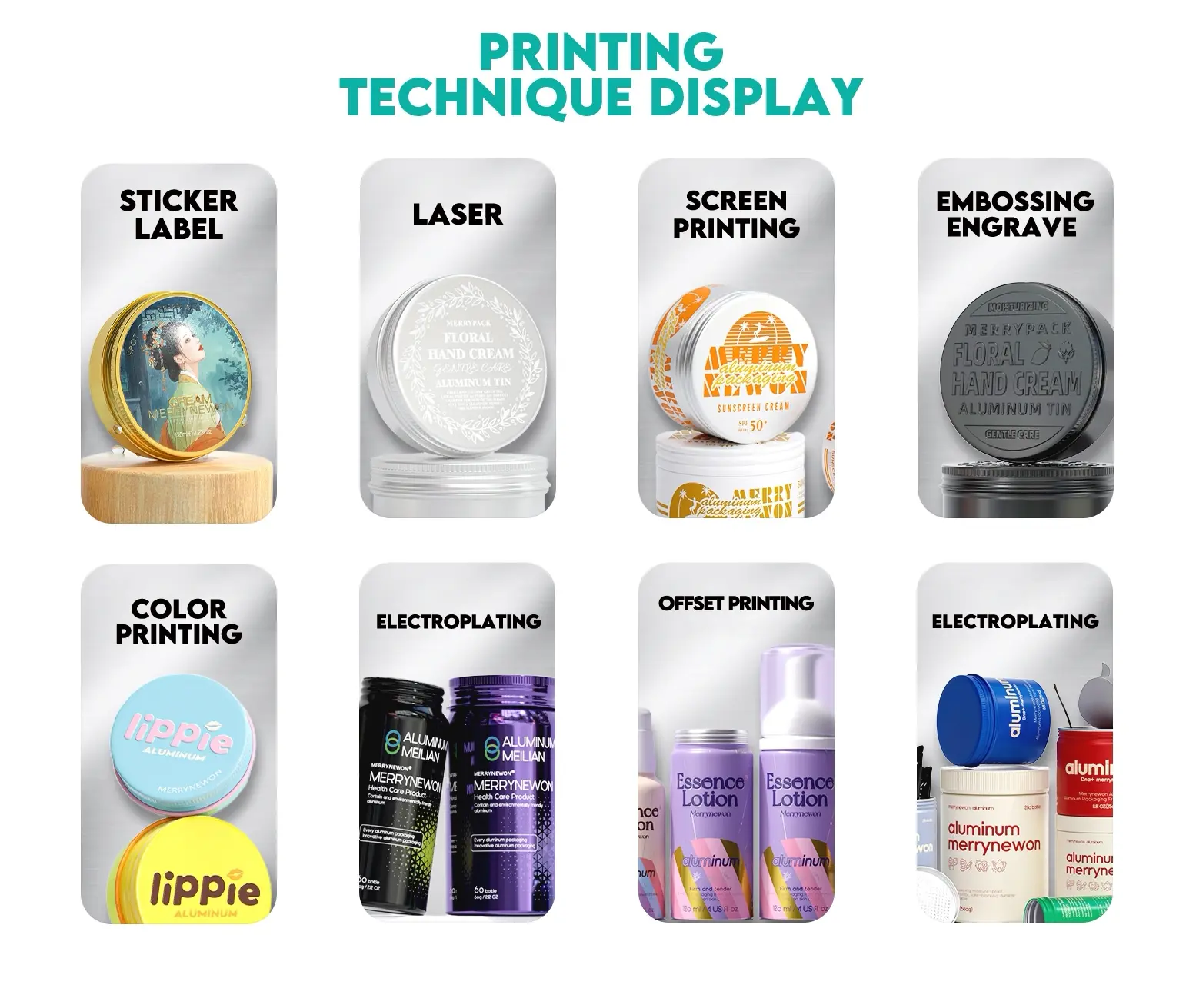
Five Customization Pathways
From DTC startup to multinational supplement conglomerate, our decoration capabilities scale with ambition:
Market Momentum: Why 2026 Is the Tipping Point for Supplement Packaging
Several converging forces make this the precise moment for supplement brands to transition to aluminum:
1. Clean-label spillover into packaging: Consumers who scrutinize ingredient lists for artificial additives, fillers, and preservatives are now asking the same questions about packaging. "BPA-free" is table stakes — "light-proof" and "infinitely recyclable" are the new differentiators.
2. DTC unboxing economy: In the direct-to-consumer supplement space, the unboxing moment is marketing. An aluminum jar photographed against a marble bathroom counter generates organic social content that a plastic tub never will. Brands like AG1, Care/of, and Ritual have proven that packaging aesthetics drive subscription retention.
3. The probiotic cold-chain headache: Probiotic brands spend disproportionately on refrigerated logistics to preserve CFU counts. Ambient-stable aluminum packaging reduces cold-chain dependency, slashing fulfillment costs while maintaining potency — a margin story every CFO wants to hear.
4. E-commerce durability: Plastic jars crack in transit. Aluminum jars survive. For brands selling on Amazon, iHerb, and cross-border platforms, reduced damage claims and returns translate directly to improved seller metrics and lower operational costs.
5. Regulatory tailwinds: The EU PPWR mandates all packaging be recyclable by 2030. The U.S. state-level EPR (Extended Producer Responsibility) laws gaining traction in California, Colorado, and Maine will impose fees on non-recyclable packaging — making aluminum's infinite recyclability a financial hedge as much as an environmental one.
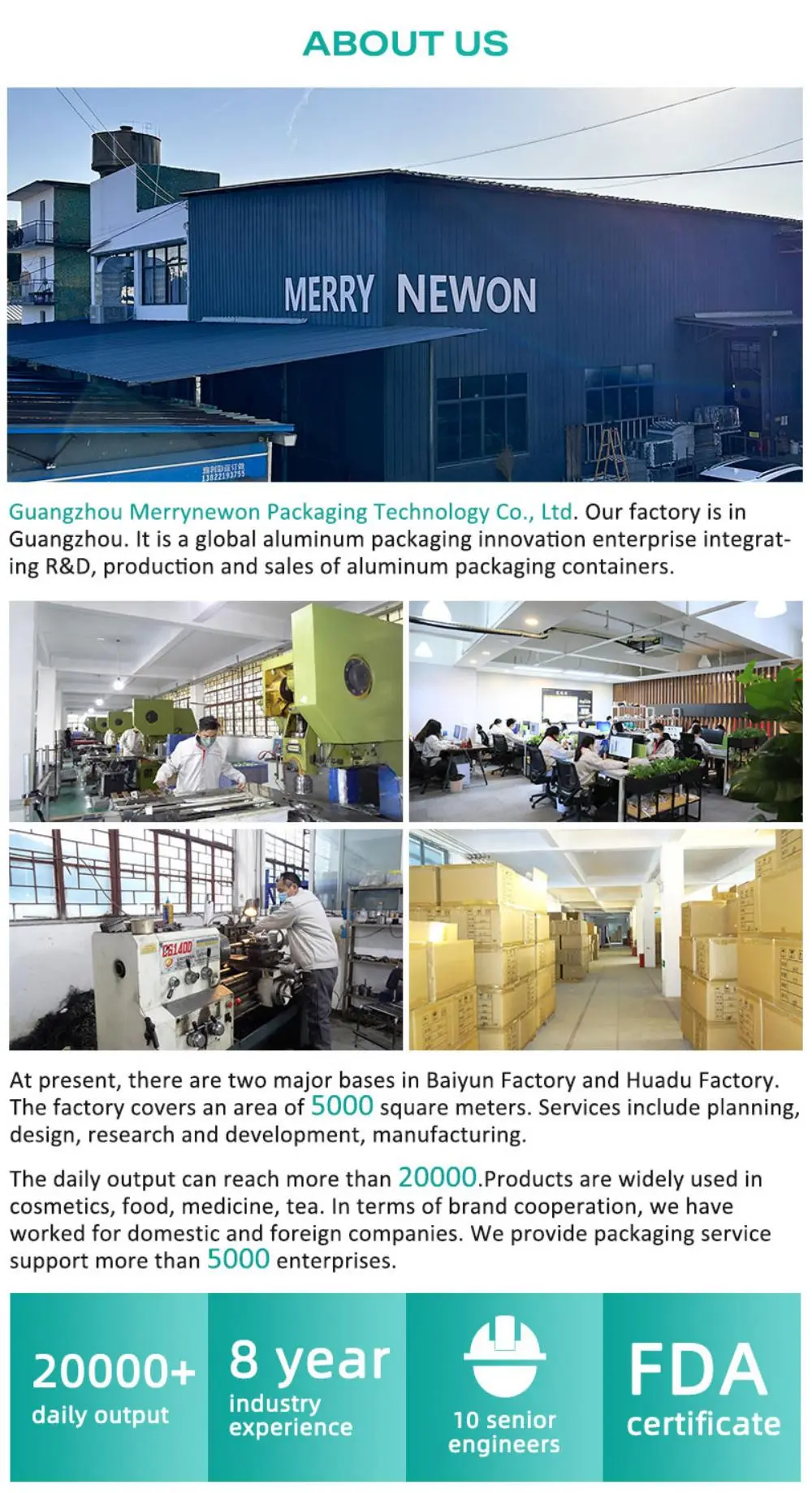
About Merrynewon
Product Specifications: Supplement Lock-Freshness Line
MOQ: Customizable based on decoration complexity and capacity. Contact for detailed quotation.
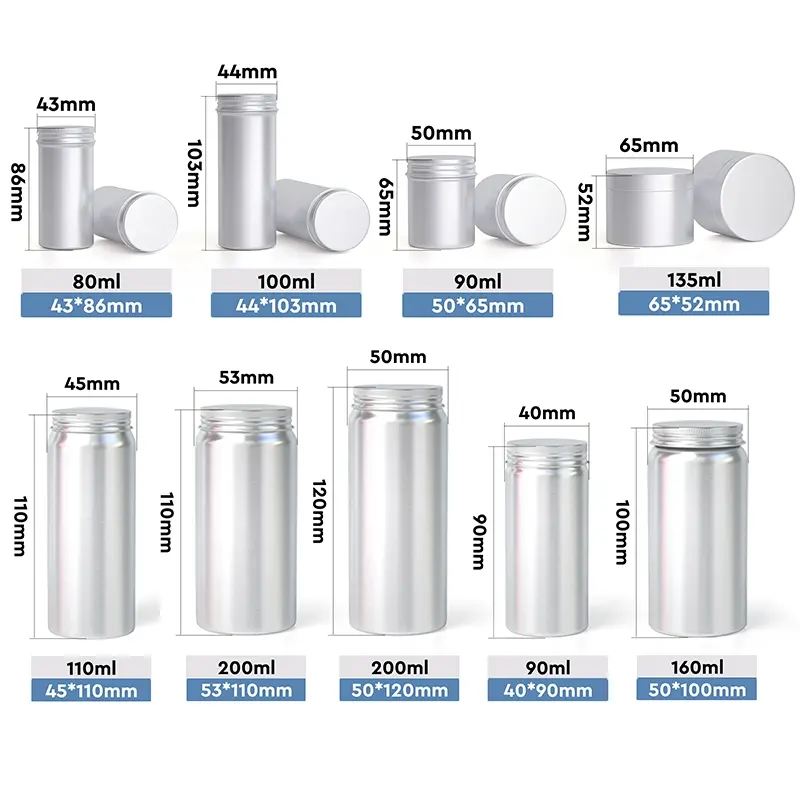
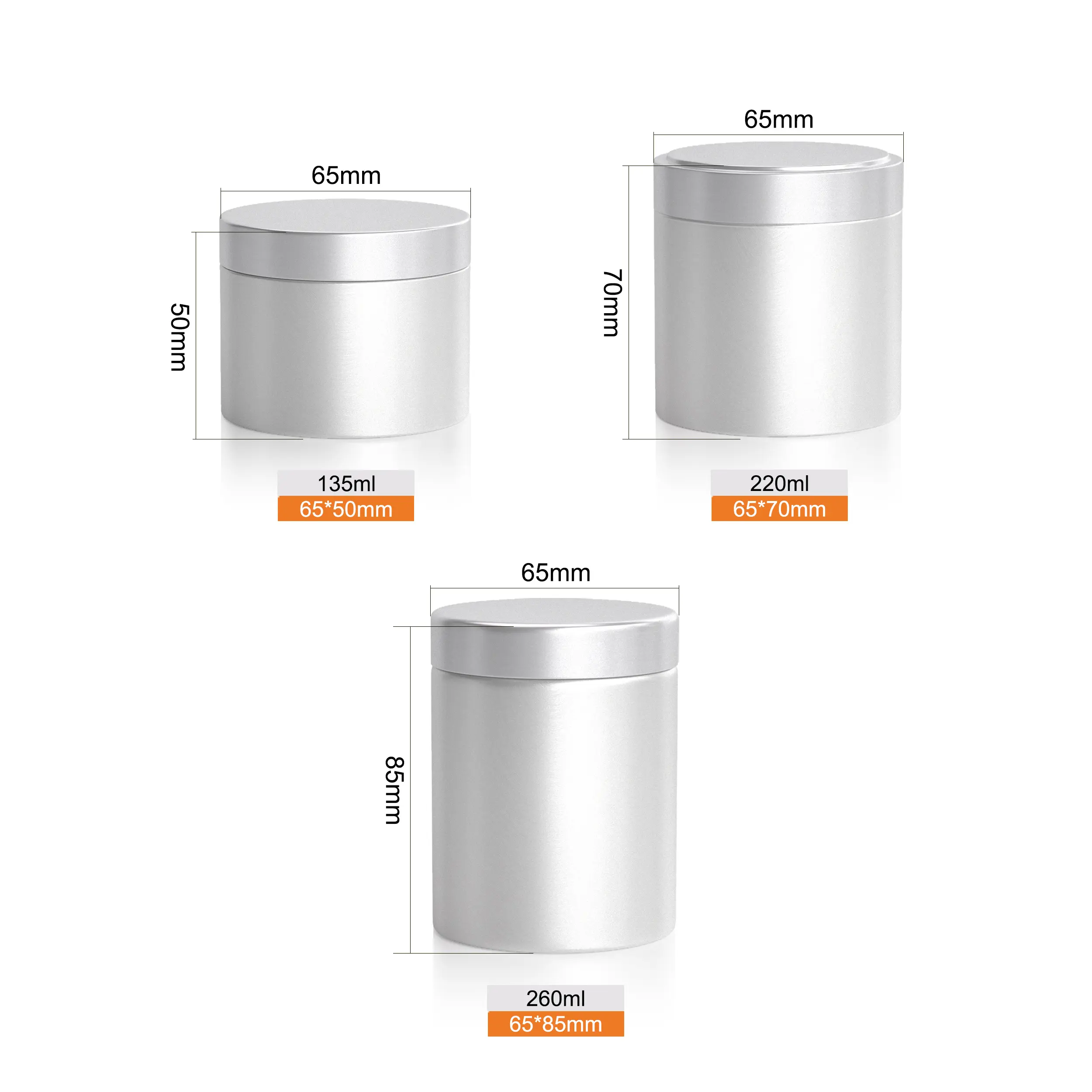
*Please contact us if you would like to know more about the dimensions.
Contact
For samples, pricing, and custom supplement packaging consultations:
📧 [email] : [email protected]
🌐 [Insert website]: https://aiwebq8l9pf.cmerweb.com/