


 +8618680445103



Packaging Buying Guides
Aluminum Cream Jar Buying Guide: Size, Coating and Sample Checks
2026-11-11
Choosing an empty Aluminum Jar for hand cream or cosmetic cream starts with a packaging brief, not a generic capacity label. Define the fill you want to sell, then confirm the jar, inner surface and closure as a complete sample combination. This checklist helps purchasing teams prepare comparable quotations and identify what still needs testing.
1. Separate fill weight, volume and jar dimensions
If your retail target is expressed in grams, provide that target and a representative formulation sample. Do not treat a gram label as the same number of millilitres. Ask which volume is being quoted, how much space remains below the lid and whether the dimensions include the lid. Confirm a working fill level through an actual filling trial.
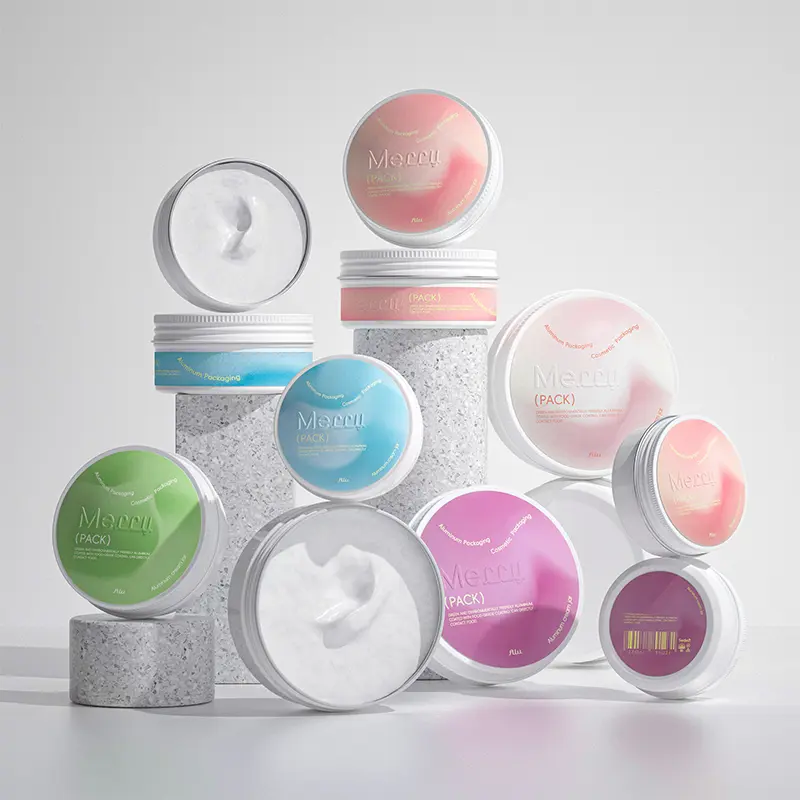
Our empty aluminum cream jar listing includes a reference chart with six diameter × height options, from 52 × 20 mm to 83 × 38 mm. Those are existing chart references, not a guarantee that each option holds a specified weight of your cream. Confirm the current model, tolerances and availability before selection.
2. Specify the inner surface and closure together
Request the proposed inner surface or coating specification for the exact jar. Describe your intended formulation and filling conditions, including the filling temperature where relevant. Confirm what information the supplier needs to assess the project and which sample tests your own quality team will require.
For the closure, ask what lid, liner or gasket is included and whether a separate seal is available for the selected model. A screw lid alone should not be used as proof of a particular leakage, tamper-evidence or shelf-life result. Define the performance you need and agree how it will be evaluated.
3. Use a sample review sheet before artwork approval
| Review area | Record before approval |
|---|---|
| Fill and fit | Actual fill weight, usable volume, headspace and lid clearance |
| Contact surfaces | Selected coating, liner and formulation compatibility review |
| Closure | Opening and closing experience, seal requirements and agreed test method |
| Handling | Your intended storage, transport and repeated-use evaluation |
| Decoration | Artwork dimensions, color reference, finish and approved sample |
Record the jar and lid references, sample date and any changes needed. Keep packaging approval separate from approval of the finished cosmetic product. Agree the required documentation for your destination market with your quality or regulatory team; do not infer certification from a generic website badge.
4. Make decoration and quantities explicit
Send the artwork file, printed areas, color references and desired finish. Ask which label or printing methods are available on the selected jar, what sample approval is included and whether different colors or designs have separate minimum quantities. Confirm the packaging specification before treating a visual mockup as a production approval.
The linked cream jar listing currently indicates an MOQ range of 1,000–5,000 pieces, subject to inventory and printing requirements. Request the actual minimum for your model and decoration, sample arrangements and production timing in the quotation. This range is not a promise of immediate stock or a fixed delivery date.
5. Send a complete request for quotation
- Intended use: hand cream or cosmetic cream, supplied as empty packaging.
- Target fill weight or volume, preferred jar dimensions and sample reference.
- Filling conditions, inner surface and closure or sealing requirements.
- Order quantity, number of artwork versions and color references.
- Delivery destination, required timing and sample evaluation plan.
Compare hand cream packaging options or send your brief to [email protected]. You can also request a packaging quotation from OALUPACK. Our team can discuss a suitable sample specification and the details needed for your project.