What Are the Best Tin Boxes for Wholesale in 2026?
Choosing the best Tin Boxes for wholesale in 2026 is about more than finding the lowest quoted price. A box must protect its contents, suit the product, and arrive consistently across repeat orders. Small details matter. A snug lid, smooth edges, and even printing can shape how customers judge a brand before opening the package.
Wholesale buyers should compare tinplate thickness, dimensions, finish options, and production capacity. Ask for a physical sample, then check how it closes and whether the decoration matches the approved artwork. Request clear information about minimum order quantities, tooling costs, lead times, and packing methods. These details help reveal the true landed cost. A low unit price can still be the wrong deal. It may come with delays, costly setup, or inconsistent batches.
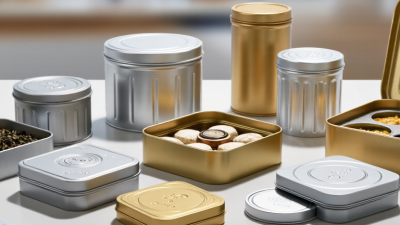
The right choice depends on the product and sales channel. A shallow tin may suit sweets or small gifts, while a deeper format can protect candles or accessories. Confirm that the box fits the item without excess movement, and consider how efficiently it stacks during storage and shipping. If a supplier makes environmental claims, ask what those claims cover and what supporting documentation is available. Do not assume every tin is automatically reusable or recyclable everywhere. There are trade-offs. This guide will compare practical options, supplier questions, and common purchasing risks, while recognizing that no single design works for every business.

Defining Wholesale Tin Boxes by Steel Grade, Tin Coating, and Intended Use
What Are the Best Tin Boxes for Wholesale in 2026?
Defining Wholesale Tin Boxes by Steel Grade, Tin Coating, and Intended Use
Wholesale tin boxes are usually made from tin-plated steel, not solid tin. Compare steel thickness and temper: a firmer sheet resists dents, while thinner stock can reduce shipping weight. Check coating details too. Tin coating helps protect the steel, but the right specification depends on the product, storage conditions, and box construction. A small tin for dry mints has different needs from a larger box holding sewing supplies.
Tips: Request material and coating specifications, not just a sample. Inspect the lid fit, folded seams, and corners under normal handling. For food packaging, confirm that the intended materials and coatings meet applicable food-contact requirements. Ask how the supplier checks coating consistency. A shiny finish alone proves little.
Match the box to its job. Dry goods generally need clean interiors and secure closures; humid storage makes corrosion resistance more important. For frequent opening, test the lid through repeated cycles and check for sharp edges or looseness. One detail is easy to overlook: decorative printing and forming can affect the final fit. Review a production sample, not only a flat metal swatch. I would not choose by price per unit alone; shipping damage and inconsistent lids can quietly erase the savings.
Comparing Box Styles Against APEAL’s 80.5% European Steel-Packaging Recycling Rate (2022)
What Are the Best Tin Boxes for Wholesale in 2026?
APEAL reported an 80.5% recycling rate for steel packaging in Europe in 2022. This offers useful context for wholesale buyers, but it does not guarantee that every tin box will be recycled. The figure concerns steel packaging across a region; local collection and sorting systems still matter. Many tin boxes use steel, yet their coatings, closures, and mixed materials can affect handling.
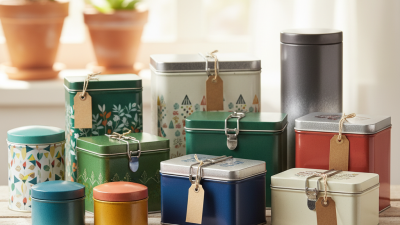
Round tins suit sweets, candles, and small gifts, while rectangular boxes stack neatly in cartons and on shelves. Hinged-lid styles feel sturdy, but attached parts may complicate sorting if they use different materials. Simple slip-lid boxes are often easier to separate and pack. Small details count.
For bulk orders, ask suppliers for material specifications and check whether lids, liners, or decorative finishes differ from the steel body. A plain finish may simplify material identification, though appearance still matters to shoppers. There is a trade-off here: a highly decorated box can attract attention, but extra components may make recovery less straightforward. Recycling figures are encouraging, not a substitute for checking how a chosen box is made and handled locally.
What Are the Best Tin Boxes for Wholesale in 2026? Comparing Box Styles Against Europe’s Steel-Packaging Recycling Rate
APEAL reported that 80.5% of steel packaging in Europe was recycled in 2022. The remaining 19.5% is calculated as the balance to 100%; it is not a recycling rate for any particular tin-box style. This overall figure provides context when comparing wholesale box formats.
Assessing Food-Contact Compliance Under EU Regulation 1935/2004 and FDA Rules
For wholesale tin boxes in 2026, ask for evidence tied to the exact can, coating, and intended food. EU Regulation 1935/2004 requires food-contact materials not to transfer constituents at levels that endanger health or unacceptably alter food. It is a framework, not a product certificate. Under FDA rules, the food-contact substances must also be authorized for their specific uses and conditions. Check declarations, test conditions, and batch traceability. A generic “food-grade” claim is not enough.
The European Commission’s 2023 RASFF annual report recorded 4,683 notifications across its food and feed safety network; this is not a tin-packaging count, but it underlines the value of traceable records. Eurostat reported 186.5 kilograms of packaging waste per EU resident in 2022. That figure concerns waste, not food-contact safety, so keep the two assessments separate. For a real sample, inspect the lacquer for pinholes, then test migration under the intended food type, storage time, and temperature. Include the lid and seams. Ask suppliers for the test report and regulatory basis, not just a declaration. Paperwork can still miss a defect. Check samples from production batches, too.
Evaluating Wholesale Suppliers by MOQ, Lead Time, Tooling Cost, and Quality Controls
Wholesale tin boxes are rarely chosen on unit price alone. A low quote can hide a high minimum order quantity, slow sampling, or separate tooling fees. Ask suppliers to state the MOQ for each size, finish, and printing method. Confirm whether mixed designs count as one order or several. For a seasonal launch, a smaller pilot run may protect cash flow, even when its unit cost is higher. That trade-off is easy to overlook.
Request a dated schedule covering artwork approval, sample production, and shipment. Ask whether the quoted lead time starts after deposit, proof approval, or final sample sign-off. Tooling costs should be itemized, including mold changes and ownership terms. Check a physical sample for lid fit, sharp edges, seam alignment, and coating consistency. Small details matter. Request inspection criteria and sample records, too; a polished sample alone cannot show how a full production run will perform. I would still allow buffer time, because schedules can slip.
Tips: Compare quotes using the same box dimensions, material thickness, finish, and order quantity. Keep an approved sample and written specifications. Ask what happens if a batch misses those standards. These checks take time, but they make supplier comparisons more dependable.



 +8618680445103