China Top Metal Containers for Global Buyers What to Know?
In the global marketplace, metal containers are increasingly vital for various industries. These sturdy, durable items play a crucial role in packaging, storage, and transportation. From food products to industrial materials, metal containers offer a reliable solution.
China stands out as a leading manufacturer of these essential products. With advanced technology and manufacturing expertise, Chinese companies deliver high-quality metal containers. Buyers from around the world trust these containers for their strength and longevity. However, not all manufacturers provide the same quality. Awareness of this variance is essential for global buyers.
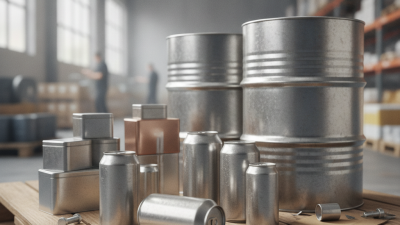
Understanding the different types of metal containers is also important. Options vary, including cans, drums, and boxes. Each type serves unique purposes. It can be challenging to compare these products effectively. Conducting thorough research helps buyers make informed decisions. Choosing the right metal containers is crucial for safety and efficiency in operations.
Overview of China's Metal Container Industry and Its Global Impact
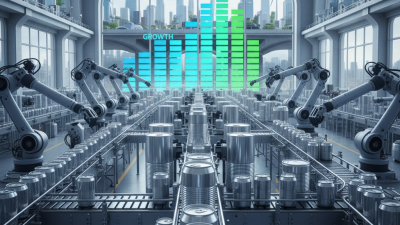
China's metal container industry plays a pivotal role in the global market. In 2022, China's production capacity reached 50 million metric tons, which reflects a significant 10% growth over the previous year. This surge highlights the increasing reliance on metal containers across various sectors, including food and beverage, chemicals, and pharmaceuticals. The global demand for durable and sustainable packaging continues to rise, with a projected market growth rate of 5.5% between 2023 and 2030.
The impact of China's metal container manufacturing extends beyond its borders. More than 30% of the world's metal containers are sourced from China. This positions the country as a key player in the supply chain. Industry analysts note that the Chinese market benefits from advanced production techniques and lower labor costs. However, this doesn't mean the industry is without challenges. Environmental regulations and fluctuating raw material prices can complicate production processes.
Tips: When considering sourcing metal containers from China, assess suppliers' certifications. Ensure they meet international quality standards. Doing so can save future costs related to compliance and potential recalls. Explore long-term partnerships for better pricing and reliability.
Key Manufacturers of Metal Containers in China: A Comprehensive Guide
China is a leading global source for metal containers. The country boasts a vast network of manufacturers that cater to various industries. Growing demand for eco-friendly packaging has increased interest in metal solutions. According to a report by Smithers Pira, the global metal packaging market was valued at approximately $115 billion in 2020, with projections suggesting continued growth.
When exploring key manufacturers, consider their production capabilities and certifications. The top players often implement strict quality control measures. It's vital to verify that any potential supplier adheres to international quality standards. The industry demands compliance with regulations, which can be a challenge for some manufacturers.
Tips: Always request samples before finalizing any orders. Visiting manufacturing facilities can provide valuable insights into their processes. Researching industry reports can offer additional context on market trends and supplier reliability. Building strong relationships with manufacturers enhances communication and could lead to better pricing and terms.
Types of Metal Containers Produced in China and Their Applications
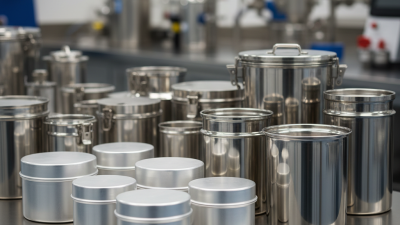
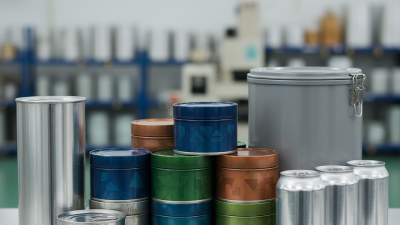
China's metal containers come in various types, each with unique applications. Common types include
aluminum cans, steel drums, and
metal boxes. According to a recent market report, the demand for
aluminum cans has increased by
6% annually due to their lightweight and
recyclability. These cans are widely used in the beverage industry, especially for soft drinks and beer.
Steel drums are another significant category. They are popular for storing chemicals and hazardous materials.
In 2022, over 30 million steel drums were produced in China alone.
These drums are favored for their durability and resistance to corrosion. However, ensuring proper regulation
of their use remains a challenge in safety compliance.
Metal boxes, often used for packaging consumer goods, also see rising demand. They are versatile and sustainable
options for brands aiming for eco-friendly packaging. Despite their increasing popularity, questions around
their production process and materials persist. These factors are critical for potential buyers seeking
reliable suppliers that meet international standards.
Quality Standards and Certifications for Metal Containers in China
When considering metal containers from China, understanding quality standards and certifications is crucial. More than 70% of global buyers prioritize compliance with international standards. ISO 9001, for instance, ensures manufacturers maintain quality management systems. This certification demonstrates a commitment to consistent quality.
China’s metal container industry has made substantial progress. Reports indicate that over 60% of manufacturers now adhere to ASTM and EN standards. These standards focus on safety, durability, and environmental protection. Nevertheless, it’s essential to remember that not all products may fully comply. Regular audits can reveal shortcomings in manufacturing processes.
Buyers should also look for certifications like CE and FDA approval where applicable. These certifications not only enhance reliability but also ensure the containers meet health and safety regulations. However, navigating these standards can be overwhelming. Some manufacturers may not fully understand the certification processes, leading to potential compliance gaps. Awareness and proactive quality checks can mitigate these risks.
Logistics and Export Considerations for Global Buyers of Metal Containers
When considering logistics and export for metal containers, it's essential to understand shipping methods. Ocean freight is common, but air freight may be necessary for urgent deliveries. Assessing the costs for each option is vital. Rates can vary significantly based on distance and container weight.
Documentation is another key element. Import/export permits, and invoices must be accurate. Missing papers can delay shipments. Additionally, familiarize yourself with the customs regulations in both exporting and importing countries. Mistakes can lead to fines or confiscation of goods.
Packaging standards also contribute to successful logistics. Metal containers require robust packaging to withstand transit. Sometimes, buyers face issues with damaged goods. Proper packaging reduces such incidents. Communication with suppliers regarding these details can prevent misunderstandings and errors.



 +8618680445103